Linguistic research
My linguistic research combined both qualitative and quantitative elements to produce preliminary descriptions of the sound systems of two Enlhet-Enenlhet languages.
Quantitative Acoustic Studies
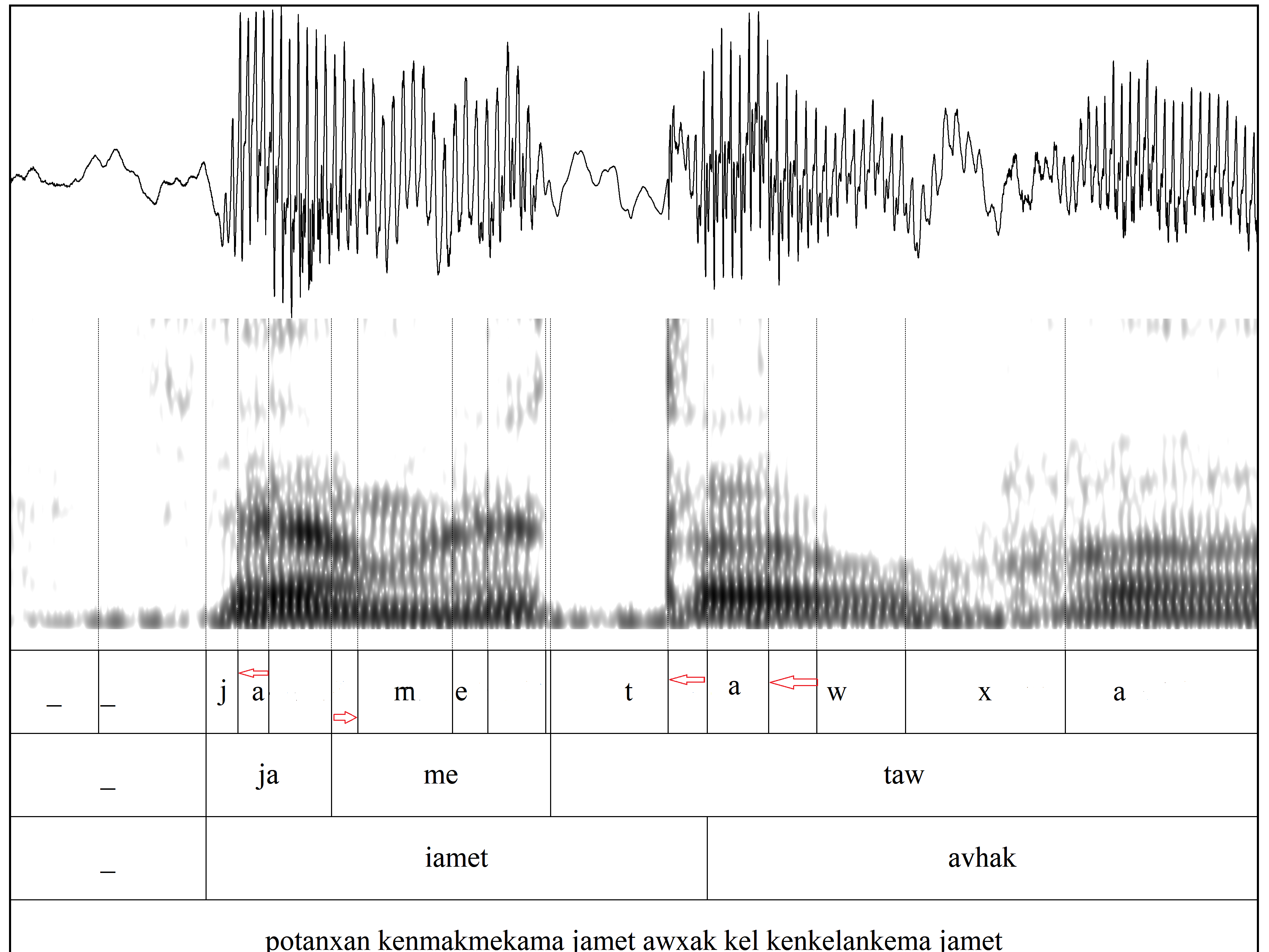
The quantitative project used the Enenlhet language documentation corpus to perform a series of corpus studies investigating the acoustics of Enenlhet [tmf] vowels. The corpus includes about 3.5 hours of naturalistic speech (narratives and interviews), recorded, transcribed in Enenlhet and translated to Spanish by Raina Heaton and Manolo Romero. These data were force-aligned using EasyAlign, a Praat plugin. The alignment was untrained, as there is no trained acoustic model of Enenlhet; the alignment used the Spanish with seseo model. Alignment was hand corrected to accurately represent segment boundaries. A discussion of the accuracy and utility of this untrained forced alignment methodology was presented at CILLA X.
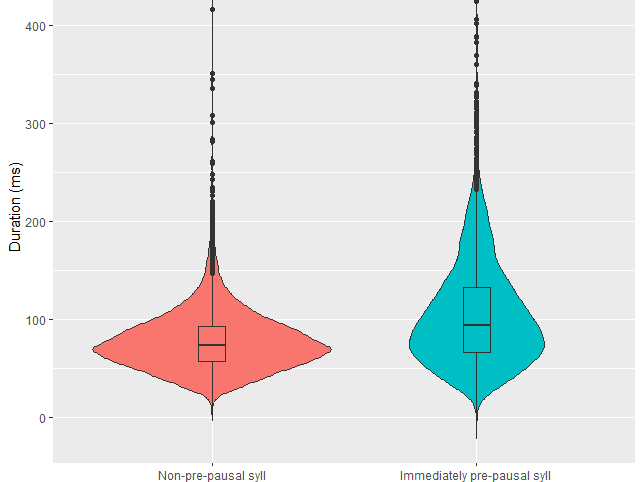
The first of the three quantitative studies examined vowel duration using a Linear Mixed Effects model run in R. The model investigated the effect of a vowel's position within a word, the word's position with respect to a pause, the voicing of the following consonant, and syllable structure. It also controlled for random variation due to speaker and lexical item. The analysis showed that vowels are longer immediately before a pause, in open syllables, and before voiced consonants, with some interactions between these variables. However, of a fixed stress position or of phonemic vowel length were not found, although sister languages (e.g., Enxet) have been described to contrast long and short vowels. This research was presented as a poster at ICPhS in 2023.
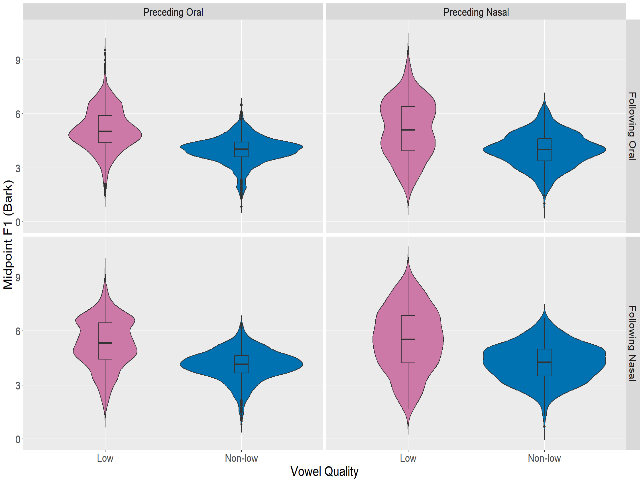
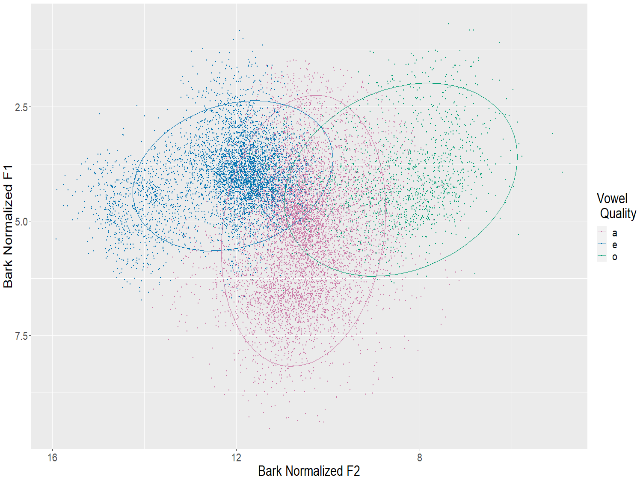
The second study examined vowel quality, as Enenlhet has a cross-linguistically unusual vowel inventory of just three vowels: /a, e, o/. A Linear Mixed Effects analysis controlled for the effect of preceding and following consonant place of articulation, as well as syllable structure and vowel duration. Results suggested three vowel categories, with more variation in the F2 dimension than the F1 dimension; these results are congruent to previous qualitative descriptions of Enenlhet and its sister languages. The F1 values for non-low vowels (/e, o/) were roughly similar to the F1 values reported for mid vowels in languages with five-vowel (/a, e, i, o, u/) inventories, suggesting that the IPA labels /e, o/ are appropriate. Vowels were raised adjacent to /j/ and lowered before nasals and uvular /q/. F2 was lowered adjacent to labial sounds and raised adjacent to palatals. There was a high degree of variability between speakers and in how each vowel quality interacts with the adajcent consonants.
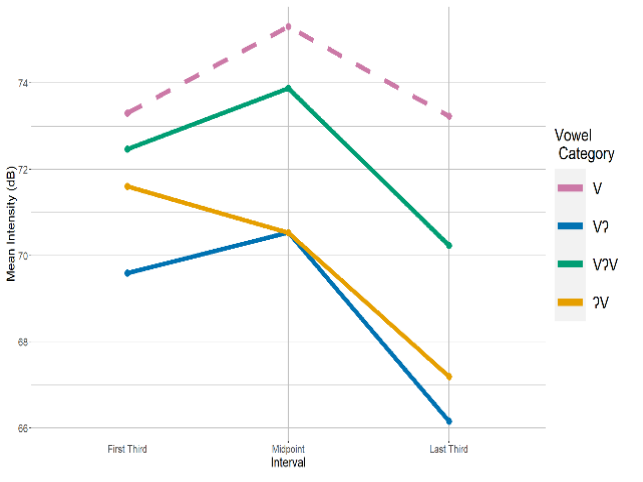
The third study investigated voice quality, specifically the effect of an adjacent glottal stop consonant. Qualitative observation suggested substantial variation in voice quality in the corpus, including for Vʔ, ʔV, and VʔV (e.g., /aʔa, eʔe, oʔo/) sequences, but no prior acoustic analysis of voice quality existed in Enenlhet. This study showed that adjacent glottal stops trigger the expected changes in H1-H2, overall intensity, and harmonics-to-noise ratio. However, no differences in the timing of these acoustic changes were found, contra expectations based on the qualitative observation that these cues tend to be most extreme in the part of the vowel closest to the adjacent glottal stop. Future research using a more fine-grained time dimension and clearer recordings is necessary to investigate potential differences between these categories.
During the course of the project, I recruited and trained three undergraduate research assistants to assist with data processing and analysis. The insights, assistance, and knowledge they have afforded me in processing and making sense of these data are invaluable. This research was funded by NSF-DDRIG-DLI No. 2024000; any opinions, findings, conclusions, or errors in this project are my own and do not necessarily reflect views of the NSF.
Qualitative Phonemic Description
In 2019, I travelled to Paraguay for 10 weeks to study Paraguayan Guaraní and conduct pilot fieldwork in the community of La Patria, where the Angaité [aqt] language is spoken. My study of Guaraní was funded by a Foreign Languages and Area Studies scholarship, through the UT Austin LLILAS Benson Latin American Studies and Collections. I studied in Asunción for six weeks at the Idiomas en Paraguay Institute, where courses met for six hours each weekday.
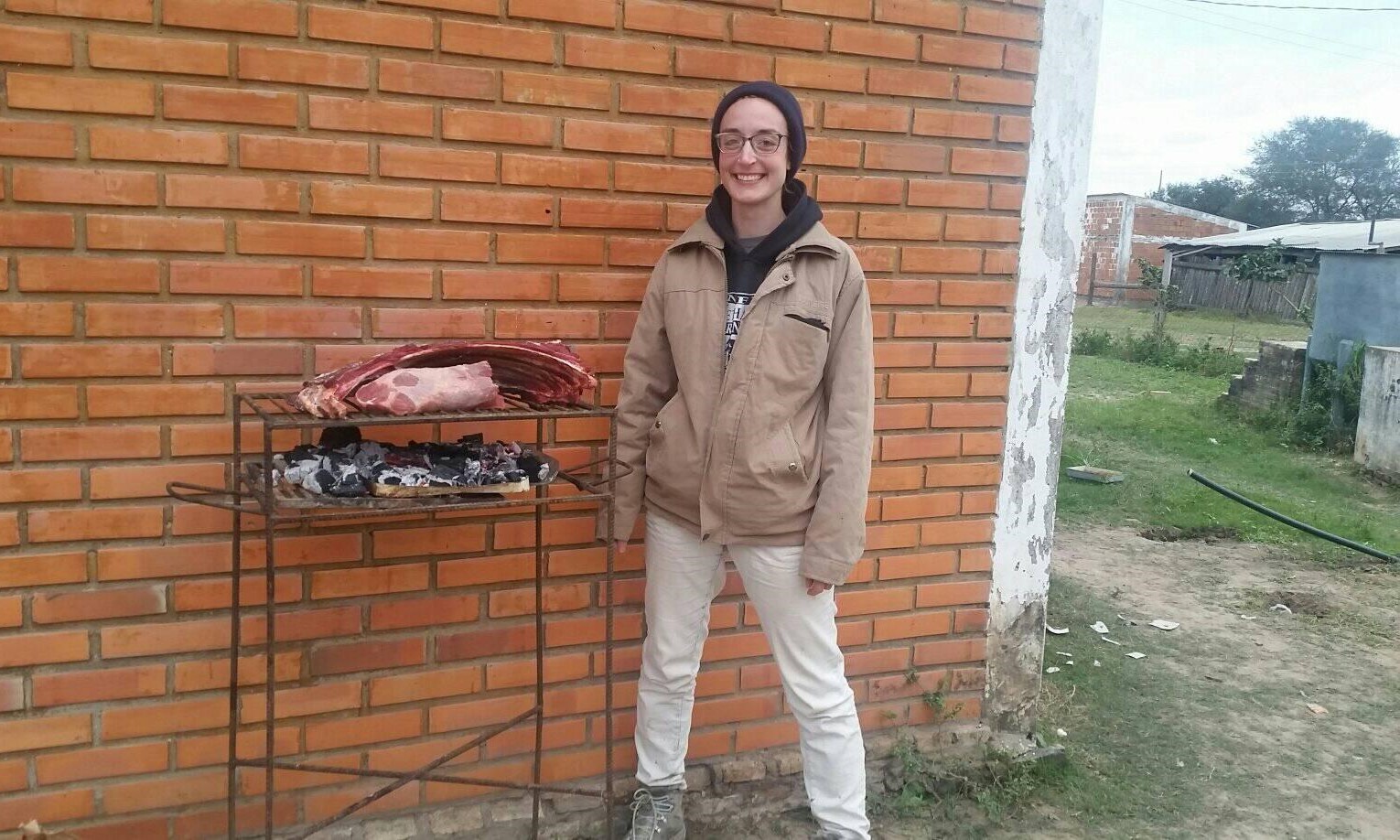
Angaité is a very endangered language; it has perhaps 500 remaining speakers, most of whom are elderly, and children no longer learn the language. The main community in which Angaité is now spoken is called La Patria, a collection of small villages in the Paraguayan Chaco, southeast of Filadelfia (the largest city in Western Paraguay) and about 80 km off the Ruta Transchaco. I remained in La Patria for just under a month. Most of my work was conducted in collaboration with two Angaité speakers who met with me for several hours each day working to translate Angaité vocabulary. I also recorded numerous short narratives from speakers in a variety of different villages within La Patria, some of which have preliminary transcriptions thanks to the assistance of another Angaité speaker. These files are all archived and available in The Angaité Collection of Paige Erin Wheeler in the Archive of the Indigenous Languages of Latin America.

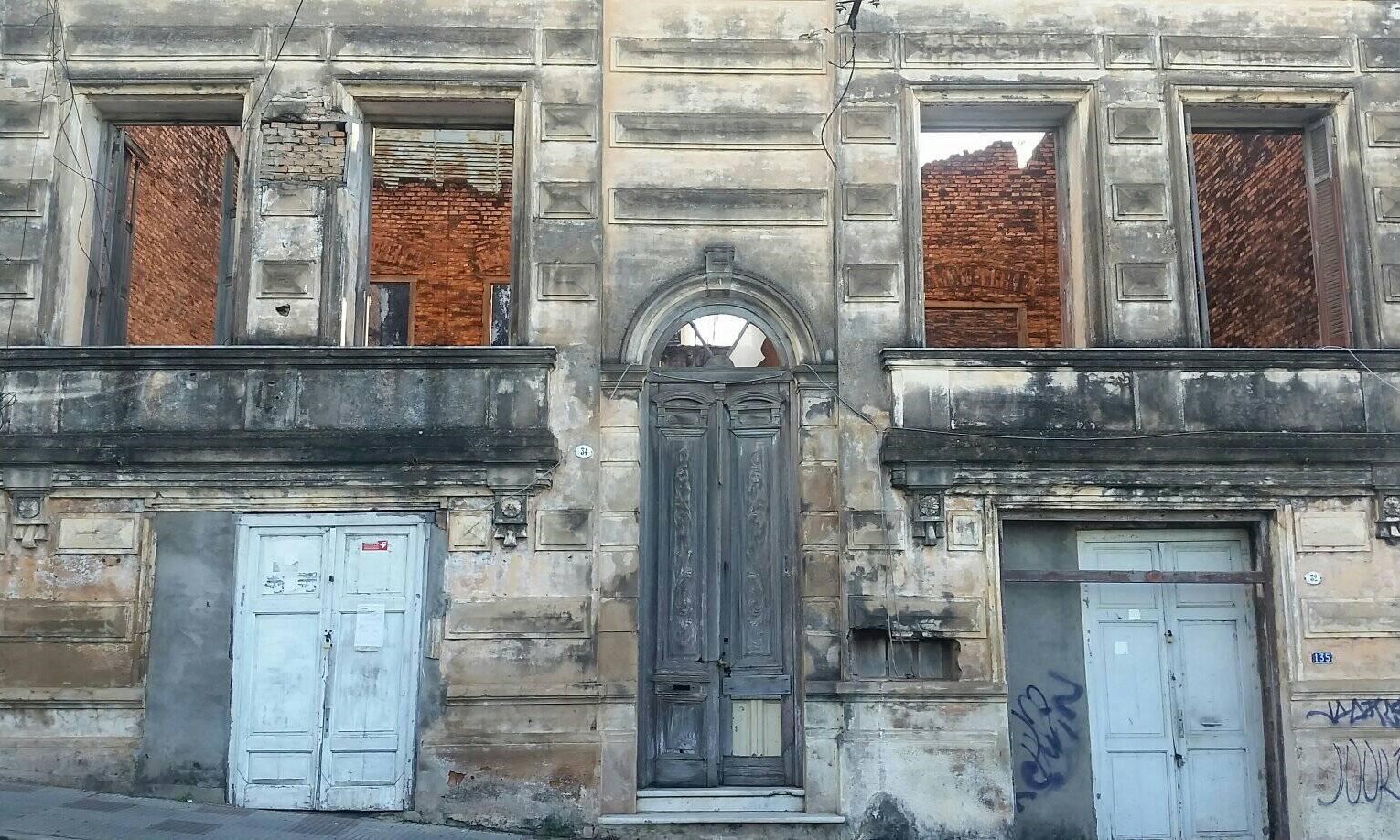
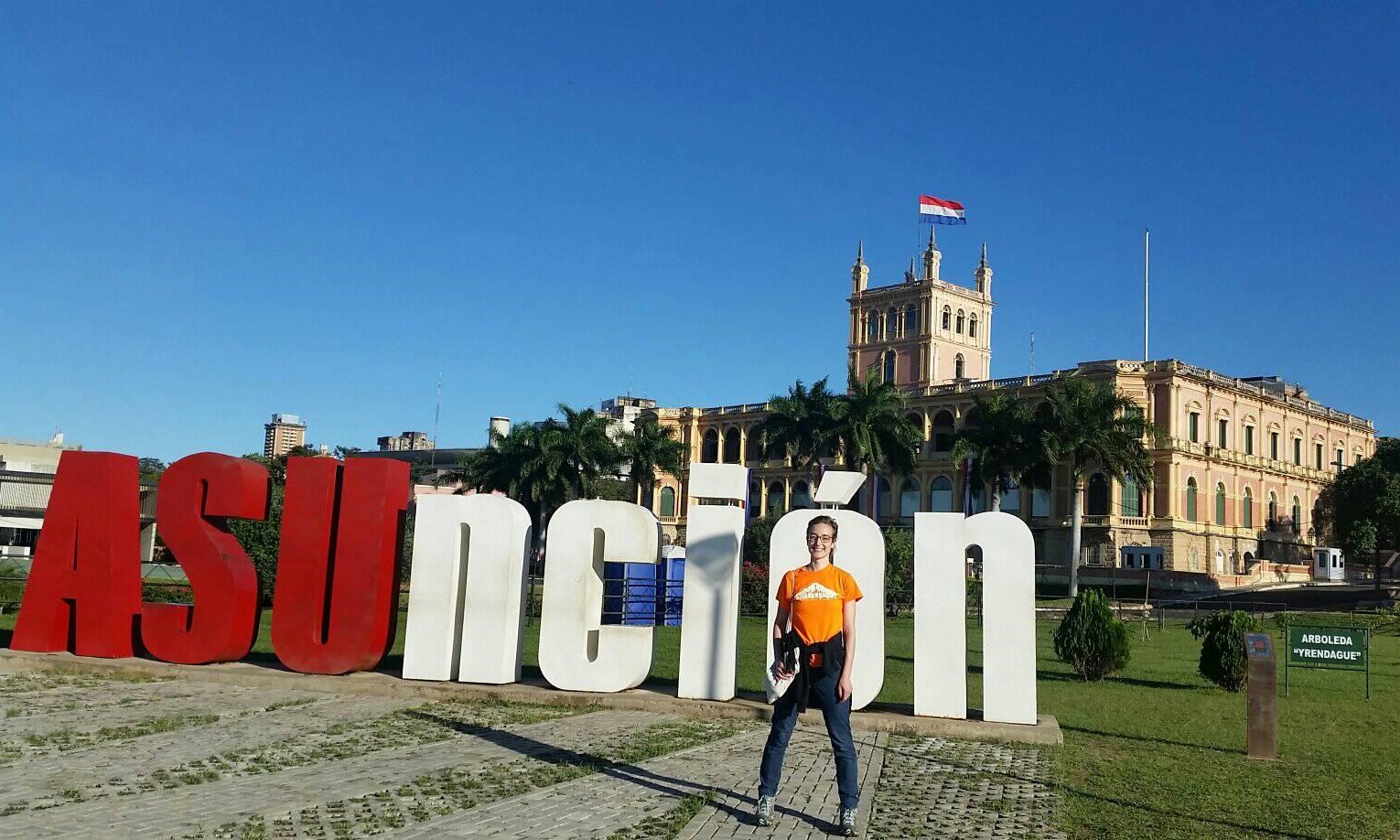
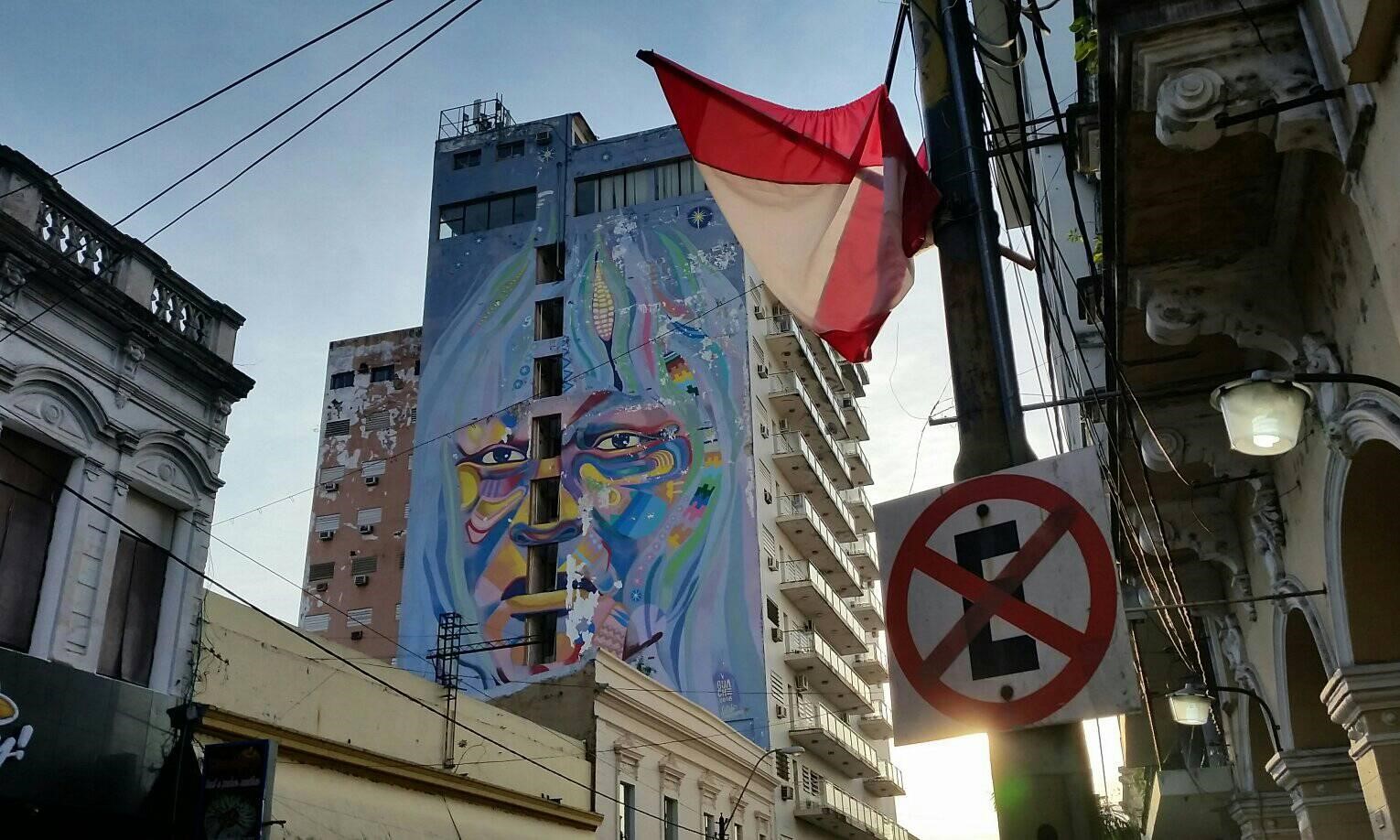
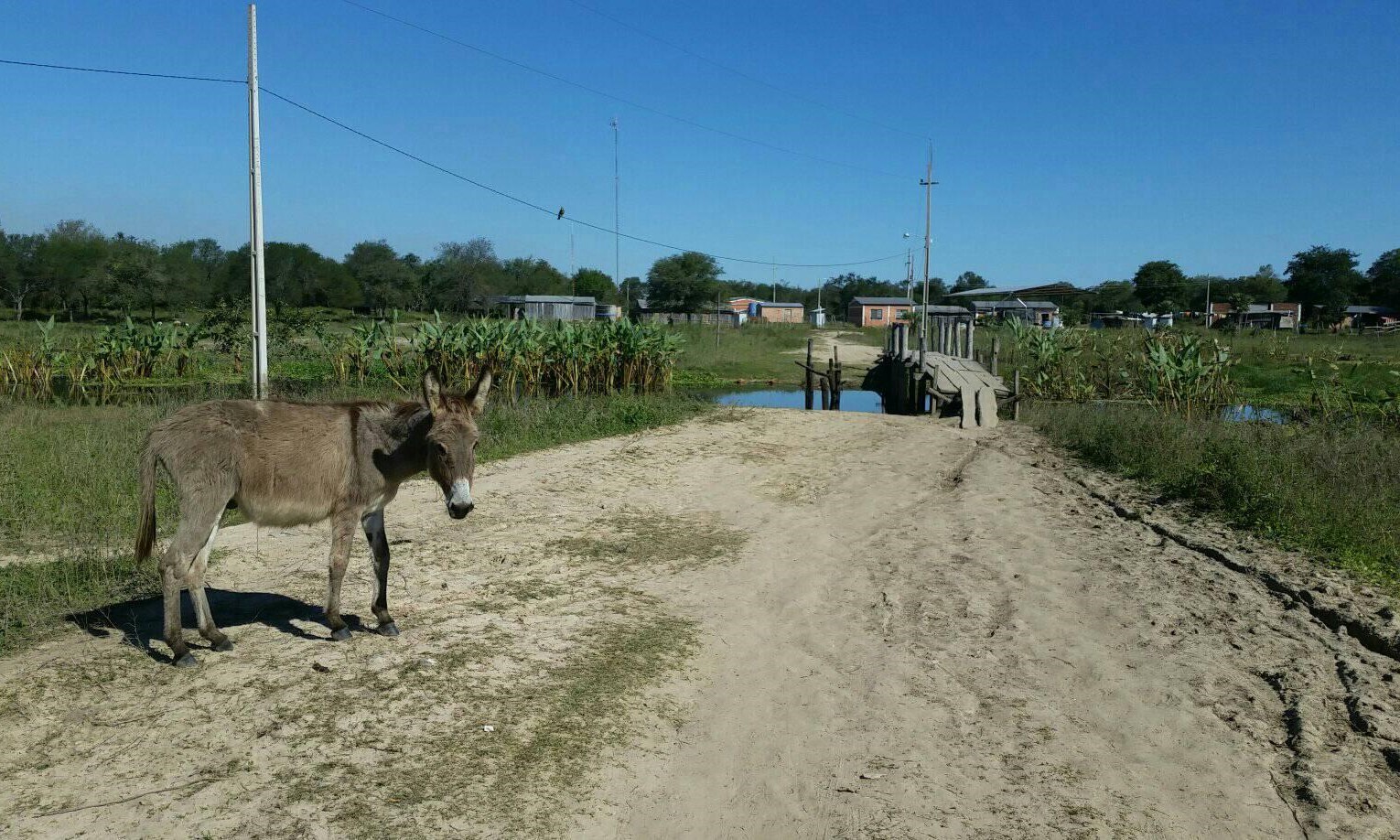

I used these materials to conduct a qualitative phonemic analysis of the consonant inventory of Angaité. Angaité utilizes contrastive consonants similar to its sister languages. It includes 14 phonemic consonants: /p t k q ʔ s ɬ h j w l m n ŋ/. The analysis also considers syllable structure, debating whether to treat postvocalic glides as part of the nucleus (resulting in diphthongs) or as codas (resulting in occasional complex codas). Ultimately, I decided based on cross-linguistic markedness and comparisons with descriptions of other Enlhet-Enenlhet languages to treat postvocalic glides as consonants. Angaité's maximal syllable is (C)V(C)(C), though CVCC syllables are extremely rare and are only attested in a few tokens in the elicited data. The majority of syllables are CVC or CV. Only very few syllables lack an onset, though voice quality variability complicates this picture. At the beginnings and ends of words, voice quality is frequently 'creaky'; it is unclear whether this creakiness is indicative of a phonemic glottal stop, or whether it is a word/phrase boundary effect. In the absence of evidence to the contrary, I treated this creak as a phonemic glottal stop, but further analysis of running speech, rather than words in isolation, is critical to fleshing out this argument. My subsequent quantitative study of voice quality in Enenlhet futher contributed to the literature on voice quality and creak in this language family.
In addition to the FLAS provided through LLILAS Benson, this field pilot trip was supported by a Tinker Summer Research Grant as well as a Sherzer Fieldwork Grant.