Higher Education Research
I work with cross-functional teams to pursue practical solutions to issues related to language in higher education.
Quantitative Research and Consulting
From 2024 to 2025, I worked as a research analyst at Trellis Strategies as a research analyst. During this time, I collaborated on projects related to student success, student retention, economic mobility and workforce outcomes, and student enrollment. My work relied heavily on publicly available datasets, including labor statistics from the US Bureau of Labor Statistics and state labor departments, and education data from the National Center for Education Statistics and the Integrated Postsecondary Education Data System. I also collaborated with postsecondary education institutions to collect and analyze institution-specific datasets to deliver custom findings and reports. My research utilized descriptive statistics and mixed-effects models to provide actionable, evidence-based findings. Key projects from my time at Trellis Strategies include:
Analysis of student retention for participants in the Austin Community College Parenting Students Project
Collaborative analysis of student survey data relating to college affordability and borrowing behavior
Using state and national wage statistics to link credentials to employment outcomes
Designing instruments to assess academic momentum and retention initiatives
Producing enrollment benchmarking reports using publicly-available IPEDS data
Mixed-effects analysis of admissions data and its relationship to student success
Qualitative Research and Publications
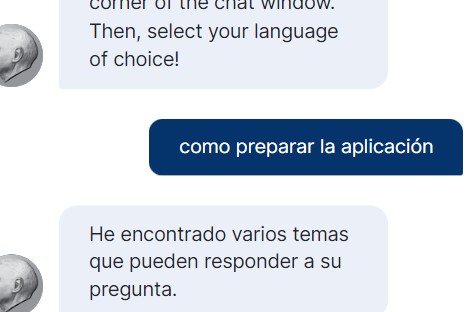
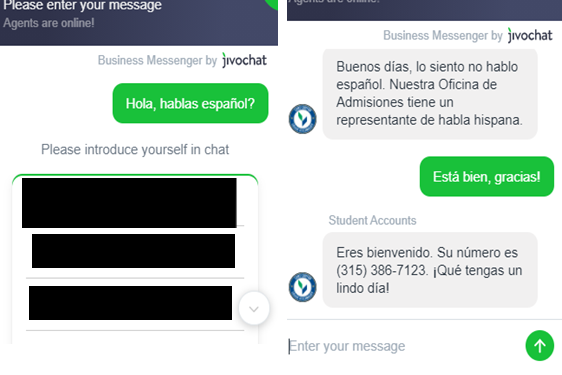
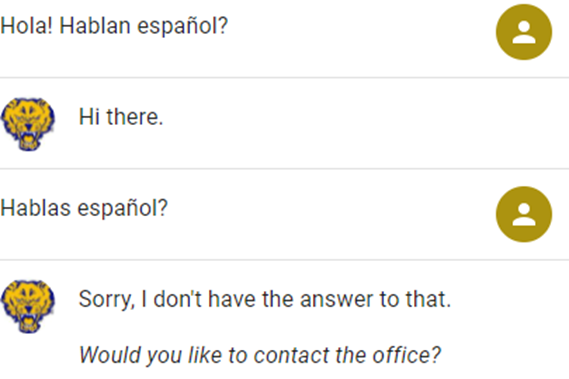
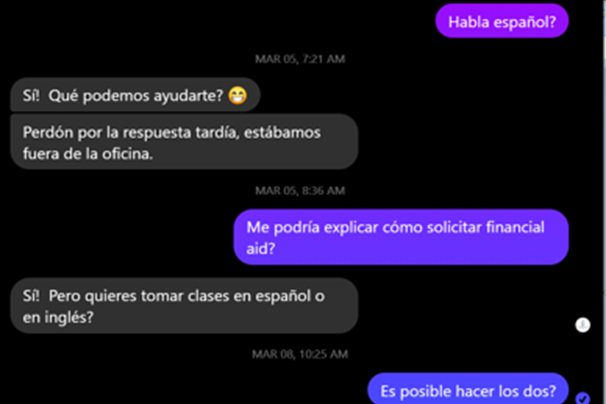
From 2021 to 2023, I collaborated with Dr. ZW Taylor on research into language diversity in higher education. Our project examined the availability of multilingual instructions for admission and financial aid on college and university websites in the US. I worked in tandem with Linda Eguiluz to test AI chatbots on admissions and financial aid websites in our random sample of US public, private, and for-profit universities. We tested to see: 1. if the chatbots could understand Spanish, 2. if they could change to Spanish automatically, or, if not, how complex the process for manual change-of-language was, 3. if the chatbots redirected to a live representative and if that person could speak Spanish, 4. the quality of information provided by AI bots, and whether content on provided links was available in translation. In general we found that not many institutions use chatbots, and those that do rarely offer robust multilingual functionality. Our research highlights the pressing need for additional multilingual resources for prospective students as a key method for increasing diversity and access to higher education in the US.
Our team presented this research at several conferences in the field of higher education research, and the projects have also resulted in two papers, which Dr. Taylor and I co-wrote. In addition, I have collaborated in a more minor capacity in the writing and editing of several additional papers in the realm of higher education language and access. I am also a member of the Center for Higher Education Linguistics and Translation, a mostly volunteer organization wich provides as-needed translation of informational materials (website content, application instructions, etc.) for use by US colleges and universities.